astrology
Gemology and Gemstone Guidance: Ornamental Choice vs Astrological Recommendation
Separate jewellery preferences, gemological identity and traditional astrological suitability before considering any gemstone recommendation.
By Naveen Modgill
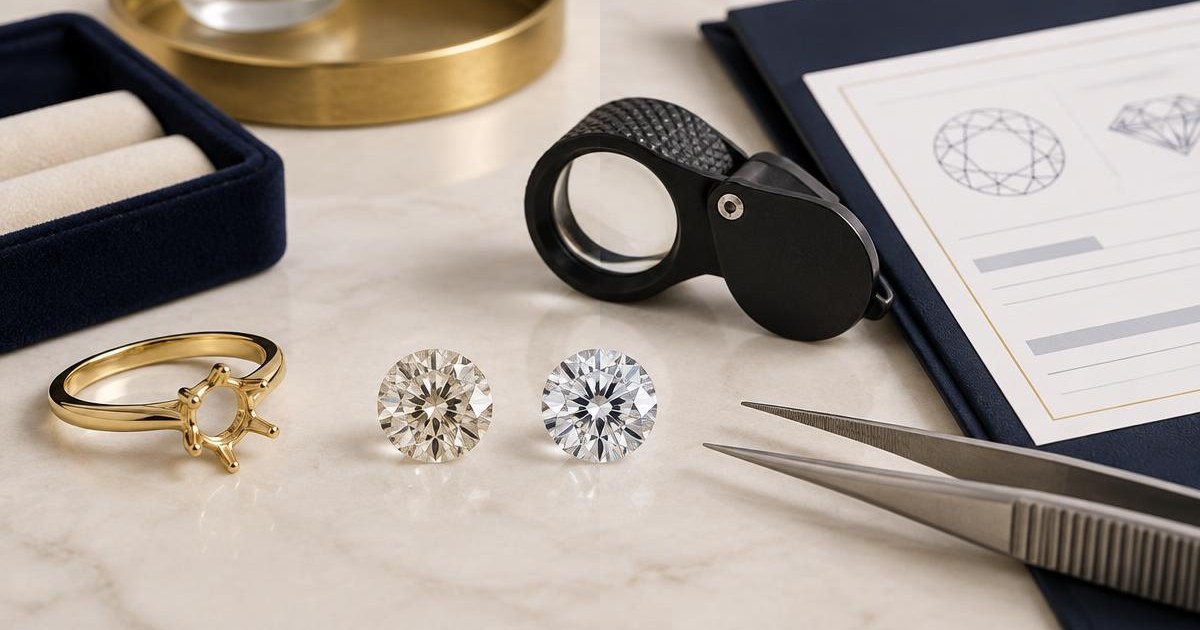
Gemstone conversations often combine three different questions: whether a stone is attractive for jewellery, what the material actually is, and whether a Jyotish tradition considers it suitable for a particular horoscope. Clear guidance keeps those questions separate.
Gemology can describe and test material characteristics. Ornamental selection concerns design and personal preference. Astrological recommendation belongs to a traditional belief system and is not scientific proof that a stone will produce a supernatural result. A responsible consultation states which kind of guidance is being requested before making any recommendation.
Three Questions That Should Not Be Confused
The first question is ornamental: is the stone attractive, durable enough and suitable for the intended jewellery? The second is gemological: is it natural, laboratory-created, treated or an imitation, and what evidence supports that description? The third is astrological: is a particular gemstone traditionally considered suitable for the individual's horoscope?
A beautiful stone can be a poor choice for a frequently worn ring because it is fragile. A natural and valuable stone is not automatically suitable in an astrological tradition. Likewise, an astrological suggestion cannot authenticate a gemstone. Keeping the questions separate protects both the client and the integrity of the advice.
Ornamental Gemstone Selection
Ornamental choice begins with appearance and use. Colour, transparency, cut, setting, jewellery style, personal preference and budget all matter. Durability is important: resistance to scratching, chipping, heat or everyday chemicals varies between gem materials. A qualified jeweller or gem professional can advise whether a particular stone and setting suit daily wear.
There is no need to attach an astrological claim to a gemstone chosen simply because it is beautiful or meaningful. A person may enjoy a stone as jewellery without treating it as a remedy. The Gemology consultation therefore asks whether the objective is ornamental or astrological/remedial at the outset.
Basic Gemological Distinctions
A natural gemstone forms in nature. A synthetic or laboratory-created gemstone has essentially the same relevant composition and crystal structure as its natural counterpart but is made in a controlled environment. A treated or enhanced gemstone is a natural or synthetic material altered to improve appearance or durability. An imitation or simulant resembles another stone but has different material properties.
Appearance alone cannot always establish identity, origin or treatment. Neither a photograph nor an astrological consultation can provide conclusive authentication. Where identity, treatment disclosure or commercial value matters, obtain an independent report from an appropriate gem-testing laboratory. The report should be considered for what it actually tests; it is not evidence of astrological effect.
Quality and Astrological Suitability Are Different Questions
Gemological quality may concern colour, clarity, cut, weight, origin evidence and treatment. Astrological suitability asks a different, tradition-based question about the individual's horoscope. Beauty, rarity or expense does not automatically make a gemstone astrologically suitable.
Traditional gemstone beliefs are not scientific proof of supernatural effects. Clients should be told this distinction directly. AkshAstro does not sell gemstones, so a recommendation is not tied to purchasing an object from the consultant.
Why “One Planet = One Gemstone” Is Too Simplistic
A recommendation based only on a Sun sign, Moon sign, birth month or one planet removes the chart context that Jyotish itself requires. Traditional assessment may consider the Lagna, relevant Houses, the roles and relationships of Grahas, running Dashas and the strength or condition of relevant factors, including concepts discussed in Shadbala.
Even within tradition, strengthening a planet is not automatically beneficial in every chart. A practitioner should explain the reasoning, uncertainty and duration of any suggestion rather than issue a permanent prescription from one isolated placement.
Gemstone Weight, Metal and Wearing Tradition
Traditional recommendations may discuss weight, metal, finger, day or preparatory observance. Conventions vary by lineage and context. They should not be published as rigid universal facts, and they do not establish that a stone will work in the way claimed.
Practical jewellery questions also remain important: comfort, secure setting, maintenance, allergies and budget. If a recommendation feels financially burdensome, the client can decline it or discuss non-gemstone alternatives such as proportionate charitable, devotional or behavioural practices.
When Gemstones Should Not Be Oversold
Gemstones should not be advertised as guaranteed methods to cure illness, produce wealth, secure employment, repair a marriage, win litigation or eliminate every difficulty. Such promises are irresponsible. Medical symptoms require healthcare, legal disputes require legal advice, and major financial decisions require appropriate financial judgement.
A gemstone cannot substitute for education, work, communication, treatment or professional support. The companion article Gemstones and Remedies: What They Can and Cannot Do gives a concise overview of these limits, while personalised remedial guidance explains how practical action should accompany any traditional measure.
A Better Consultation Question
Begin by stating the objective: ORNAMENTAL or ASTROLOGICAL/REMEDIAL. For ornamental guidance, share the jewellery use, preferred appearance, budget and any durability concerns. For astrological guidance, provide accurate birth details and the concern being considered. This distinction helps prevent a jewellery preference from being presented as a horoscope prescription.
The Qualifications, Training & Areas of Study page records Naveen Modgill's Diploma in Gemology, specialist course and related workshop according to each document's stated type. These records describe study; they are not government licensing, scientific certification of astrological effects or regulatory recognition.
Explore Gemology — Ornamental or Remedial Recommendation
Explore Gemology — Ornamental or Remedial Recommendation. The consultation clarifies the objective, discusses evidence and traditional context responsibly, and does not include gemstone sales.